
If you have ever thought, “I am just bad with money,” you are not alone. Many smart, capable people believe this about themselves because managing money feels harder than it should. The truth is, being bad with money is a myth. What changes everything is having a clear plan.
Where the “Bad with Money” Belief Comes From
Most people do not wake up one day and decide they are bad with money. That belief usually forms over time. Missed bills. Credit card balances that feel impossible to get ahead of. Stressful conversations with a spouse or partner. Each experience adds another layer to the story that something is wrong with you.
The reality is that most of us were never taught how to manage money in a practical way. We were expected to figure it out as life got more complicated. When things felt hard or overwhelming, it was easy to assume the problem was personal.
If no one taught you how to manage money, struggling does not mean you are bad at it. It means you were never given a clear system.
Why Trying Harder Does Not Fix the Problem
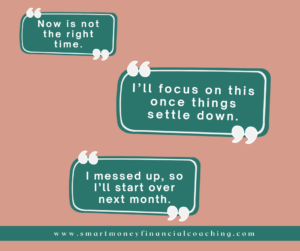
When people believe they are bad with money, their instinct is often to try harder. They cut back. They promise to be more disciplined. They avoid checking their accounts and hope next month will be better. At first, this can feel motivating. Over time, it becomes exhausting.
Trying harder without a plan usually leads to burnout. Restriction creates pressure. Pressure leads to guilt when spending does not go perfectly. Guilt often leads to avoidance or reactive spending. The cycle repeats, reinforcing the belief that money is the problem.
Effort matters, but effort without direction rarely creates lasting change. Money management is not about constant discipline. It is about having clarity.
Willpower cannot replace structure. Without a plan, trying harder often makes things worse.
What a Clear Plan Actually Changes
A clear plan does not mean perfection. It does not mean every dollar is tracked flawlessly or that spending never goes off course. A real plan simply gives your money direction.
When you know what your money needs to do next, decisions get easier. You stop second guessing purchases. You know what has already been accounted for and what has not. Even before numbers change, stress often starts to decrease.
This is where people begin to feel different about money. They are no longer reacting. They are making intentional choices based on what matters most to them.
Clarity reduces emotional weight. A plan removes guesswork and builds confidence.
What Progress Looks Like When You Have a Plan
One of the biggest surprises for clients is how progress actually feels once they have a plan. It is often quieter than expected. There may not be immediate, dramatic changes. Instead, there is a sense of steadiness.
Bills feel less stressful. Conversations about money feel more productive. Spending decisions feel intentional rather than impulsive. Over time, savings begin to grow and debt starts to decrease. But the internal shift usually comes first.
Progress starts when you stop blaming yourself and start trusting a process that works.
Real financial progress begins internally, long before it shows up on paper.
You Are Not Bad with Money
If money has felt hard for you, it does not mean you are broken or incapable. It means you have been trying to manage something complex without enough clarity or support.
Being bad with money is a label that keeps people stuck. A plan creates momentum. When you know where your money is going and why, everything starts to feel more manageable.
If you are realizing that being bad with money is not the real issue and you want help creating a clear plan for your money, this is exactly the kind of work I do with clients. You are welcome to schedule a complimentary call when you are ready.